Here are two videos about my creative process. My gratitude to with Eileen Campbell-Reed. have fun! 😉 Cláudio
3MMM-Episode 245: Creative Process
I’m excited to welcome my friend and colleague Rev. Dr. Cláudio Carvalhaes to talk with me and you about many things, starting this week with creative process. Claudio is a professor, minister, liturgist, artist, and author. A year ago he produced and played the main character in his very first play, “When Wajcha meets Pachamama.” (The clown character meets Earth Mother.) The production was awarded the “Most Creative Play” in the New York Theater Festival in Fall of 2023!
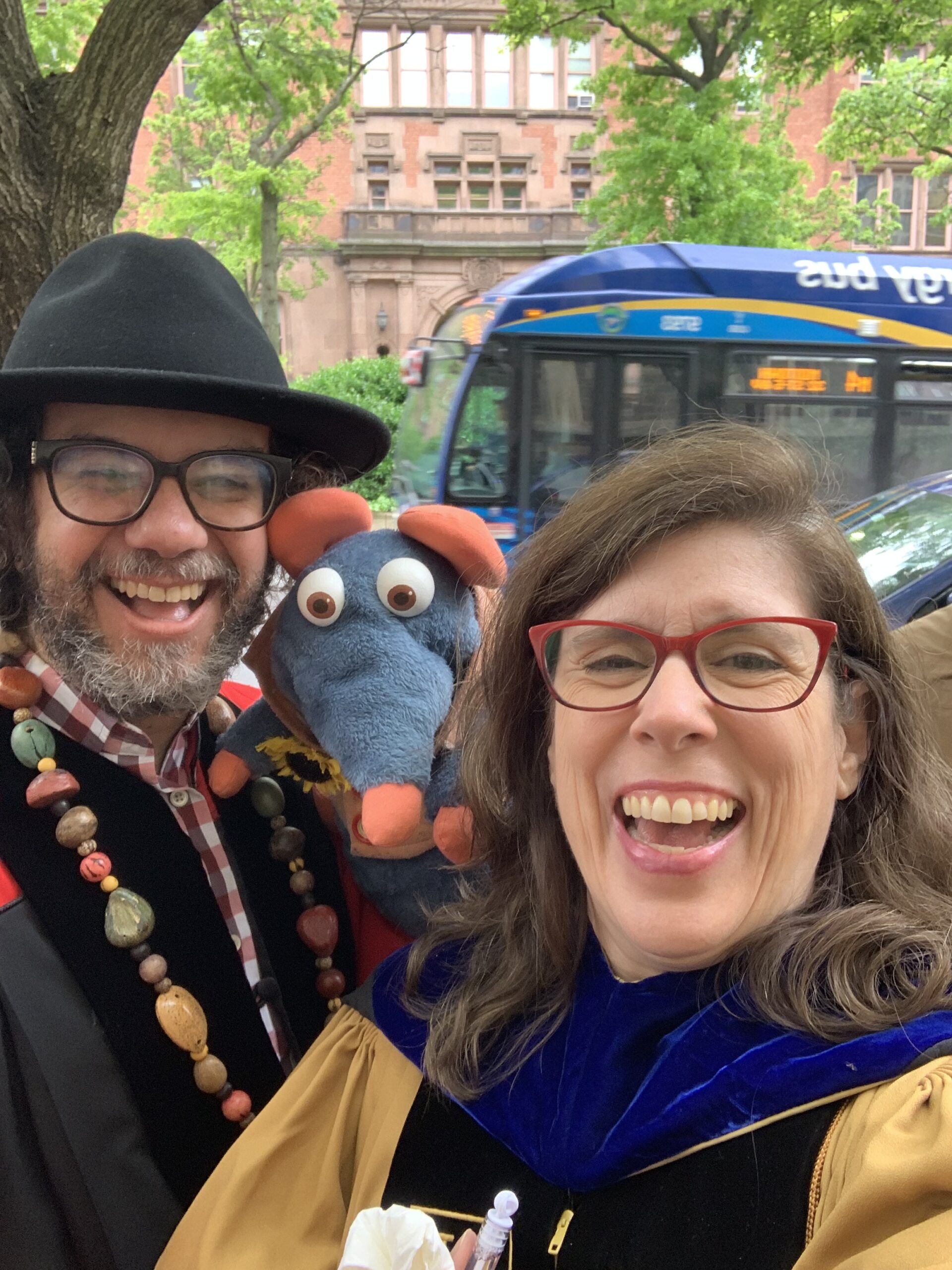
In the first part of our conversation we talk about Cláudio’s creative process in putting the musical play together. Cláudio is from Brazil, and he drew on his childhood stories, music, and relationships as this new form of performance was born and took shape. His entire aim is to help his students — and all of us — consider the climate emergency from a new point of view.
Creative Process
Cláudio says this process began when his own consciousness about climate change bagan to take hold. Yet he found as he opened himself to the new understandings, and taught more classes, his students were feeling overwhelmed by the intensity of the climate crisis. Some of them felt paralyzed by anxiety and fear. So he began looking for new ways to teach about the disaster.
He says when we open ourselves to new directions, we are not the only ones moving. Other people and ideas and resources start to come our way.
How did he open himself? He took daily walks during the early days of the Covid-19 pandemic. On those walks he began to encounter spiritual visits from his father who died in 2005. His father liked to clown around with his children. And the encounters inspired Cláudio to wonder: What would a clown do in the face of a forest fire? How would anyone whose essential character is joy approach the experience of climate disaster?
The walks continued to be a time of creative generativity. The story of the play began to take shape. And each day after his walk, Cláudio would come in and type up portions of the emerging play.
The Process of Practice
To give birth to the main character Wajcha, Cláudio had to spend months getting in touch with the “clown in himself.” He had partners who helped to draw out the character. But it took time and practice for everything to come together.
Much like ministry, or any other complex and subtle practice, the final character does not arrive all at once. Learning is a process and a practice. Watch the (9-minute) video to learn more about how the creative process unfolded for Cláudio. Let it spark your thinking about how creativity emerges in your life and ministry.
3MMM | Episode 246: Sustaining Creativity
This week we welcome Rev. Dr. Cláudio Carvalhaes for a conversation about sustaining creativity. In our first conversation last week we talked with Cláudio about how he created the play “When Wajcha Meets Pachamama.” Watch or listen to Episode 245 to learn about Cláudio’s creative process.
This week I asked Claudio about how he sustains his creativity. He has written seven books in English and almost as many in Portuguese. He teaches worship and liturgy at Union Theological Seminary. Claudio is widely called upon to preach, lecture, facilitate, and consult with groups in the US, Brazil, and many other places globally. Just last week he was a keynote speaker at a regional Cooperative Baptist Fellowship gathering in Texas. Learn more about his work.
Then watch my latest conversation with Cláudio. With the outpouring of his work in so many forms, I wanted to know (don’t you?!) what sustains his creativity?
Climate Crisis
I thought of Cláudio’s work on climate crisis this week while we watched hurricane Helene race across the southern US, leaving a path of destruction, loss of more than 60 lives, widespread flooding, tornadoes, and landslides creating property destruction for over more than 800 miles. As much as 29 inches of rain fell in the Appalachian mountains. This created devastating effects on life and property. People are still trapped without food or water or electricity or cell service or Internet. The only mercy is that it is neither too blisteringly hot nor too freezing cold at the moment.
But lives cannot be replaced. The emotional cost cannot be calculated. Repairs to major highways and infrastructure will take months and years. The total loss of people’s homes, business, hospitals and buildings throughout their communities will simply never be restored in some cases. The cost of recovery and construction has not yet been counted.
When I consider the power of a hurricane, it does inspire awe and wonder and also terror. Water has so many purposes. As do fire and earth. These elements along with gravity hold us here on the planet, and they support, nourish, and give us shelter and sustenance. These elements also can turn on a dime to become weapons of destruction.
Prayer and Questions
I have been praying near constantly for the safety and well-being of so many friends and colleagues across the region. But we have to do something more than pray with our words in our hearts. It is the place to begin, but as my congregation asked this morning in worship, Where do we go from here?
The scripture text we heard this morning was from the book of Ruth. In the story, Ruth declares she will follow her mother-in-law Naomi to a new place for a new life, and she makes her choice out of a deep sense of loyalty and love.
As we respond to the climate emergency, we need to begin with life and love and loyalty to one another’s well-being.
As Cláudio points out, we know the climate science. It is not hard to learn, despite public doubts and climate denial. It doesn’t take long to see the changes and the predictions for future. But knowing the science and the factual basis of what may be coming, is only a start. It is not enough to set a pathway to change.
Climate Calling
What is the calling of the church and people of faith to respond to this crisis? Maintaining a sense of creativity as Claudio suggest today in our brief conversation is essential. Without creativity and engagement our responses will be meager indeed.
One of Cláudio’s responses in writing the play “When Wajcha Met Pachamama” was to use humor and childlike wonder to address the crisis.
There’s plenty of doom and gloom about the climate crisis. Of course, we are in a very scary situation. But constant pessimism does nothing to fix the problem; it simply breeds anxiety and paralysis. By bringing this issue to the theater in a fun, relatable way, we can inspire people to feel hopeful and take action.
–Rev. Dr. Cláudio Carvalhaes
Part of the message of the play is that human beings need to recover their sense of belonging to the Earth and to each other. Cláudio’s wisdom about maintaining and sustaining a creative life is equally wise for strengthening our connections with each other and our planetary home: